
Chicago Sky Women's History Spotlight: Pouring Possibility: Building a Wine Brand Rooted in Access, Culture, and Community
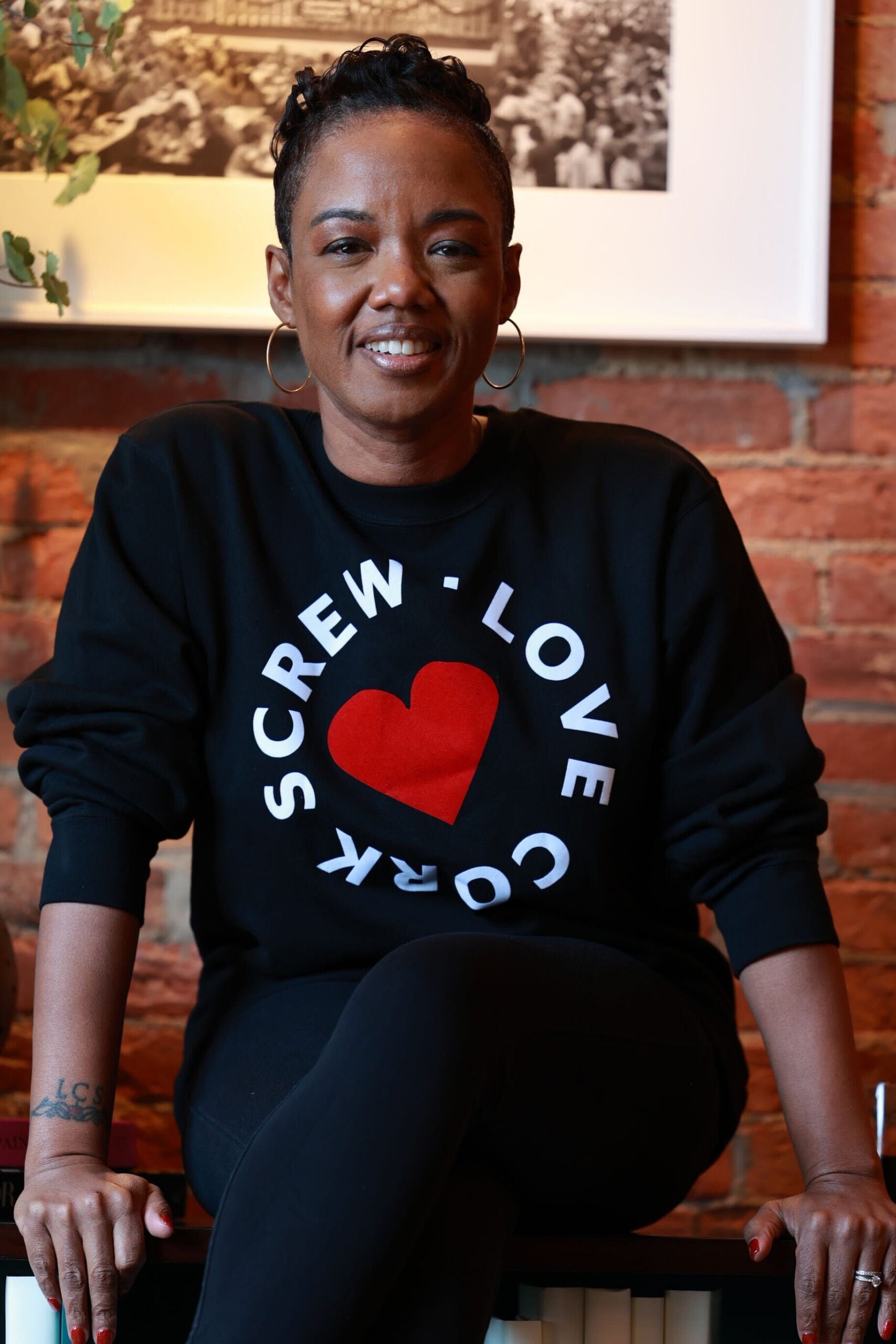
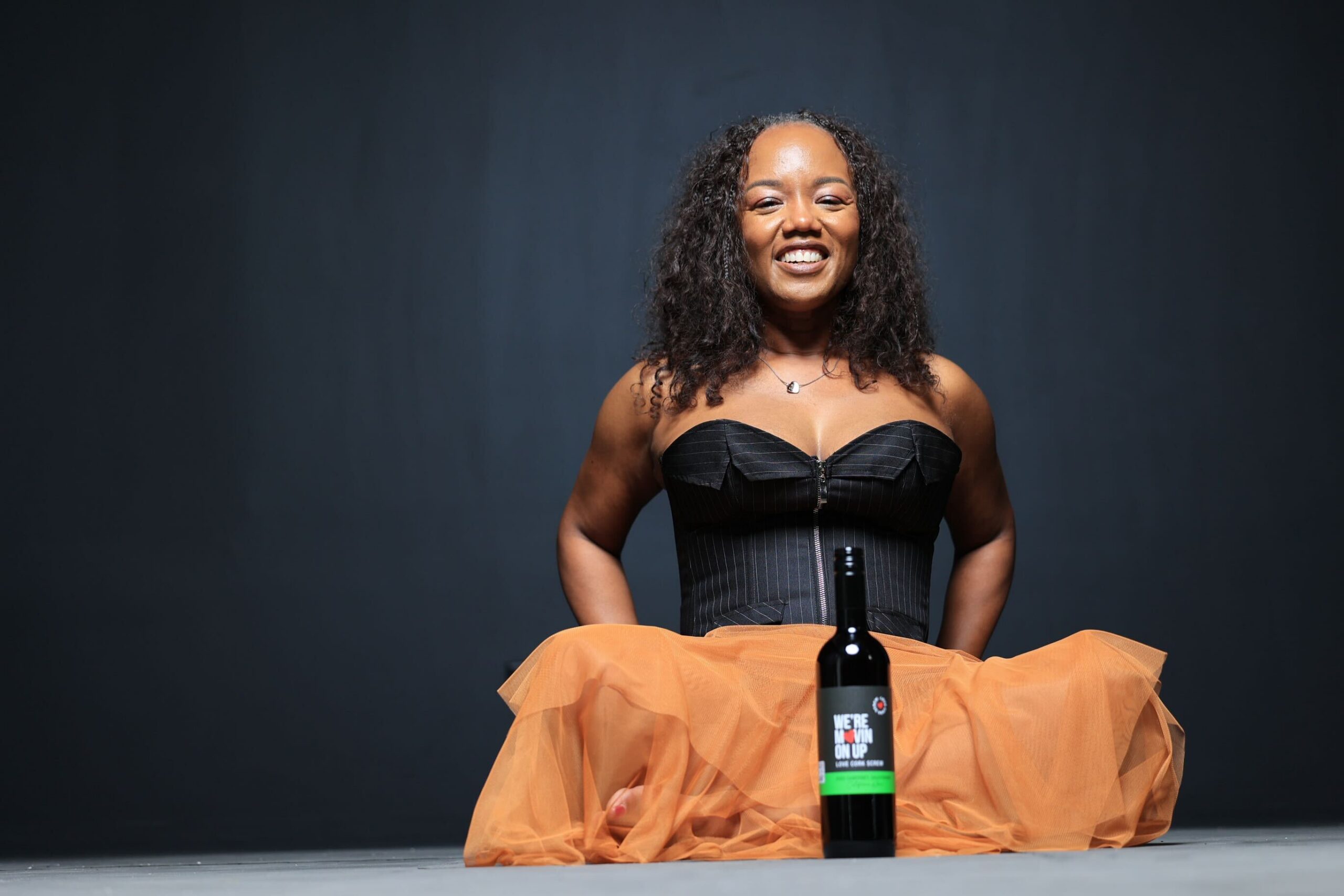
Love Cork Screw started with a blog, observation, and question. Why were women, and specifically BIPOC consumers, the top consumers of wine and spirits, yet so rarely reflected in ownership?
That question only became more urgent when Chrishon Lampley owned a bar of her own and couldn’t source Black-owned wines or vineyards to stock it.
“I couldn’t find us,” Lampley said.
That absence said everything.
Even after the bar was destroyed by a flood, the passion didn't disappear. The brand existed in spirit long before it ever existed on a shelf, rooted in the belief that wine could feel different.
More Than a Bottle
As the brand developed, it grew to encompass not just what was in the bottle, but the experience around it.
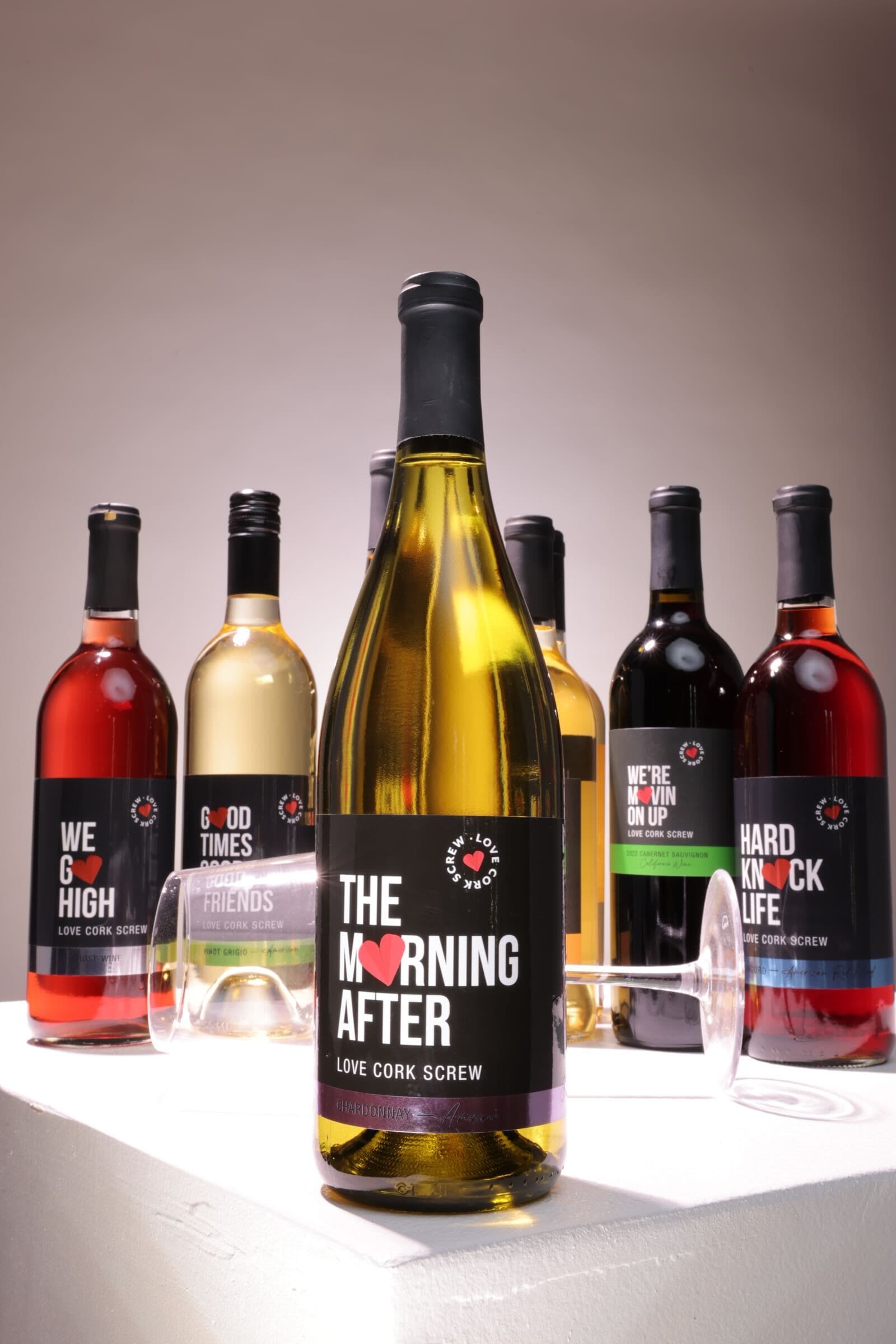
Candles, body butter, education, and storytelling all make up Love Cork Screw. It’s a full sensory ecosystem designed intentionally, where nothing feels random.
“It’s not just wine,” Lampley said. “It’s a whole mood.”
This approach challenges a traditional industry that often prioritizes prestige over accessibility. Instead, her brand invites people in and encourages them to touch, smell, taste, learn, and feel.
Breaking Down Barriers
Wine, for many, comes with intimidation from intricate pronunciations, various regions, endless pairings, and lengthy certifications. This results in a culture that can often suggest there’s a “right” way to enjoy it, but Lampley rejects that entirely.
“Everyone that claims to be an expert is right,” Lampley said. “Because your tastebuds are your own.”
It’s a simple but radical idea in a space that can feel rigid. Yes, she understands the technical side: elevation, regions, custom crush blends, and the complexities of production, but she refuses to let that knowledge gatekeeper. For her, you don’t need approval to decide what tastes good to you.
Growth, Reality, and the “Underdog” Mentality
Today, the brand is in over 1,000 locations, a milestone that signals growth, but not arrival.
“There’s this idea that once you’ve made it, you don’t need support anymore,” Lampley said. “But that’s not true.”
Despite national recognition, speaking engagements, and scaling distribution, she still sees herself as building, still needing community, and still navigating the realities of a competitive business.
She describes herself as an underdog or a comeback kid.
Because behind the visibility is a constant grind. And behind the success are moments where quitting felt easier.
“What’s been most surprising is my resilience,” Lampley said. “There were so many times I thought I should stop, but something or someone always told me to keep going.”
The Work Behind the Aesthetic
From the outside, the wine industry can look glamorous: events, tastings, and travel.
Lampley is quick to ground that perception.
“People think I’m drinking wine all day,” Lampley said.
That’s why she encourages anyone interested in entering the wine or spirits space to start from the ground up. Learning operations, working for someone in the industry, and experiencing the non-glamourous parts are all opportunities to deepen the understanding of what is required for success.
“People get caught up in the sexiness,” Lampley said. “But you need to know if this is really what you want.”
To make that learning more accessible, she created a Founder’s Club: an online subscription platform where people can dive into the business of wine and consumer packaged goods, with resources, tests, and real insight into what it takes to build something. But the group is not just about wine. It’s also about ownership.
Chicago, Community, and Being Built by Your Environment
Having lived in cities like New York and Las Vegas, she still credits Chicago as a defining force in her journey.
“Chicago challenges you like no other,” Lampley said. “If I have the respect from Chicago,” Lampley said, “I’m good wherever I go.”
That foundation shows how she builds: community-first, relationship-driven, rooted in authenticity.
Redefining Support
Support, she emphasizes, has to go beyond words:
- Buy the wine and products
- Share the brand
- Join the Founder’s Club
- Book her for speaking engagements
Too often, she’s seen people celebrate the idea of supporting small businesses without following through in tangible ways.
“People will ask small businesses for free,” Lampley said. “But they don’t do that to big companies.”
For founders, that difference matters.
The Perfect Wine Moment
At the end of it all, her vision of wine is simple, not exclusive, not performative, not overcomplicated.
“The perfect moment?” Lampley said. “On the beach, with a glass of Sauvignon Blanc, good music, and just being one with nature—whether that’s with my husband or by myself.”
Because at its core, wine isn’t about status, it’s about experience.
,xPosition=.5,yPosition=.5)
,xPosition=.5,yPosition=.5)
,xPosition=.5,yPosition=.5)
,xPosition=.5,yPosition=.5)