
Chicago Sky BHM Business Spotlight: Forty Acres Fresh Market
Forty Acres Fresh Market: Building a Grocery Store That’s Meant to Last
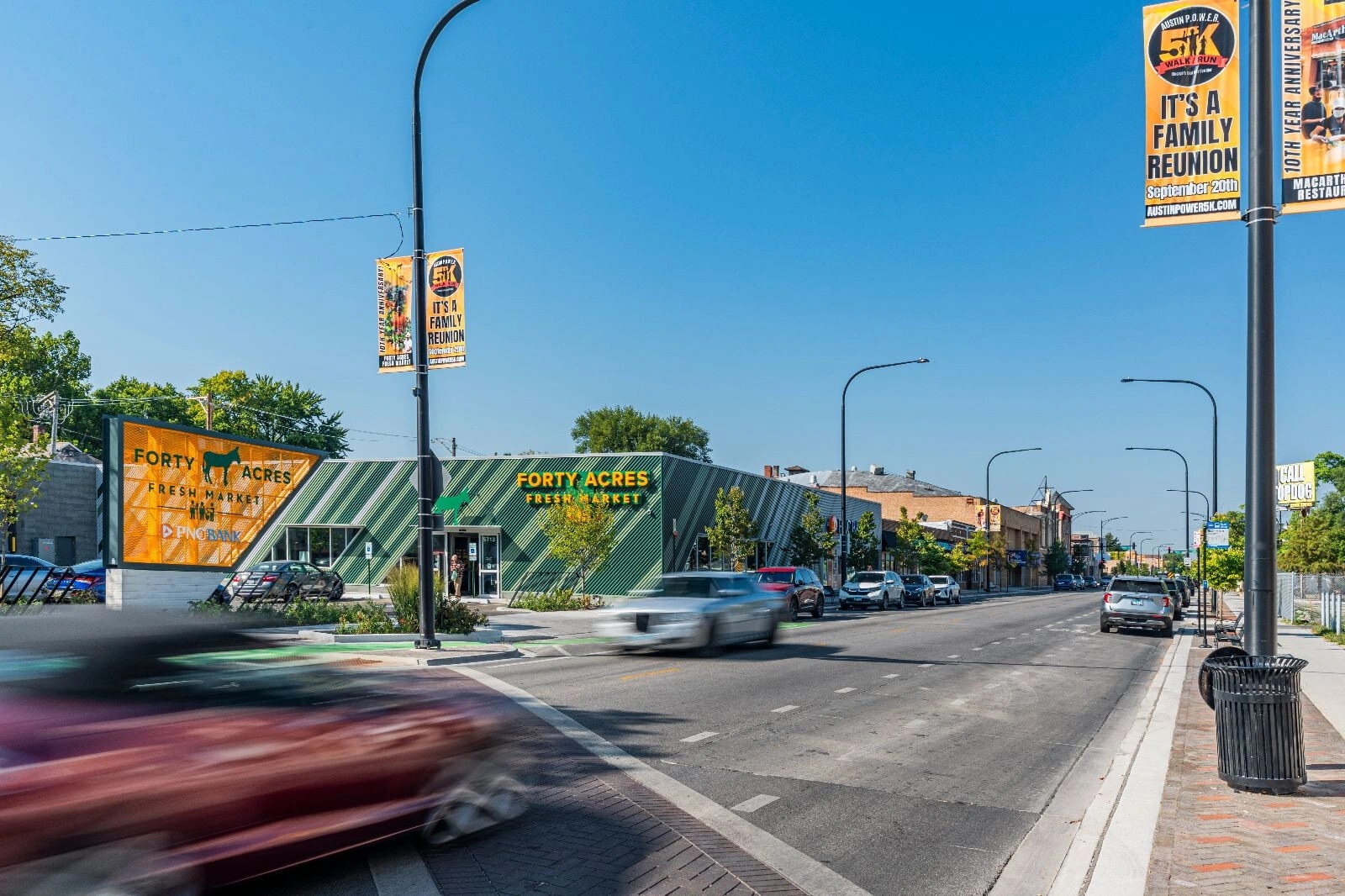
February marks five months since Forty Acres Fresh Market opened its doors in the Austin neighborhood, a milestone that feels both celebratory and sobering.
“The response has been excellent,” founder Elizabeth “Liz” Abunaw’ said.
Customers show up, stopping her in the aisles, and local leaders and businesses voice their support. However, many people don’t understand the complexities of grocery.
“They get caught up in the story,” Abunaw said. “Not the reality of what it takes to create a competitive grocery store.”
A Long Road
Abunaw didn’t stumble into grocery by accident.
Born and raised in the suburbs outside Albany, New York, she built her early career at General Mills in Minnesota, working in sales across the Midwest and East Coast. She understood the industry from the inside: how grocery stores buy, price, and compete.
At one point, she wanted out of food entirely, but after nearly a decade in consumer packaged goods sales, recruiters kept offering her the same kind of roles. She left General Mills in 2012 and earned her MBA at the University of Chicago, hoping to pivot. After graduation, she worked in social enterprise and later at Microsoft.
Around 2016, something shifted.
Running errands in Austin one afternoon, she became “problem aware.” She realized she couldn’t find basic services like a bank. The neighborhood is home to mostly corner stores, check-cashing outlets, gas stations, and other business that don’t provide substantial resources. It was the tale of two cities—access and abundance in some places, scarcity in others.
The issue wasn’t individual failure; it was structural.
A history of policies driving divestment from the 1980s wiped out independent grocers through realities like pricing pressures from large chains that make survival nearly impossible for smaller operators.
“The community doesn’t need saving,” Abunaw said.
The mindset isn’t charity, it’s systems. Her solution wasn’t to rescue anyone. It was to see if she could be one of the independent operators who figured it out.
Opening a store isn’t the finish line, it’s the starting point. It can take years for a grocery store to reach sustainable profitability. Revenue must consistently outpace expenses in one of the tightest-margin industries in retail. Simply unlocking the doors doesn’t guarantee success. You have to keep customers coming back, compete on price, manage inventory, sustain labor, mitigate spoilage, and navigate supply chains, all while proving you know exactly what you’re doing.
In neighborhoods like Austin, assumptions run high. Some believe that because the store is there, everyone will automatically shop there due to lack of existing options. However, decades of disinvestment conditioned residents to leave their neighborhoods for groceries and rebuilding that habit is not automatic. Others mistake Forty Acres for a nonprofit, assuming it operates on grants and goodwill, rather than margins.
“There’s no not for profit side,” Abunaw said. “It’s about business. If we run the business well, there will be social impact. That’s the consequence of a well-run business.”
What Longevity Really Means
For Forty Acres, longevity means sustainable revenue with more money coming in than going out.
It doesn’t mean opening locations everywhere. Grocery is hyper-local, meaning people rarely drive across the metro area for weekly shopping, making the goal durability, not ubiquity.
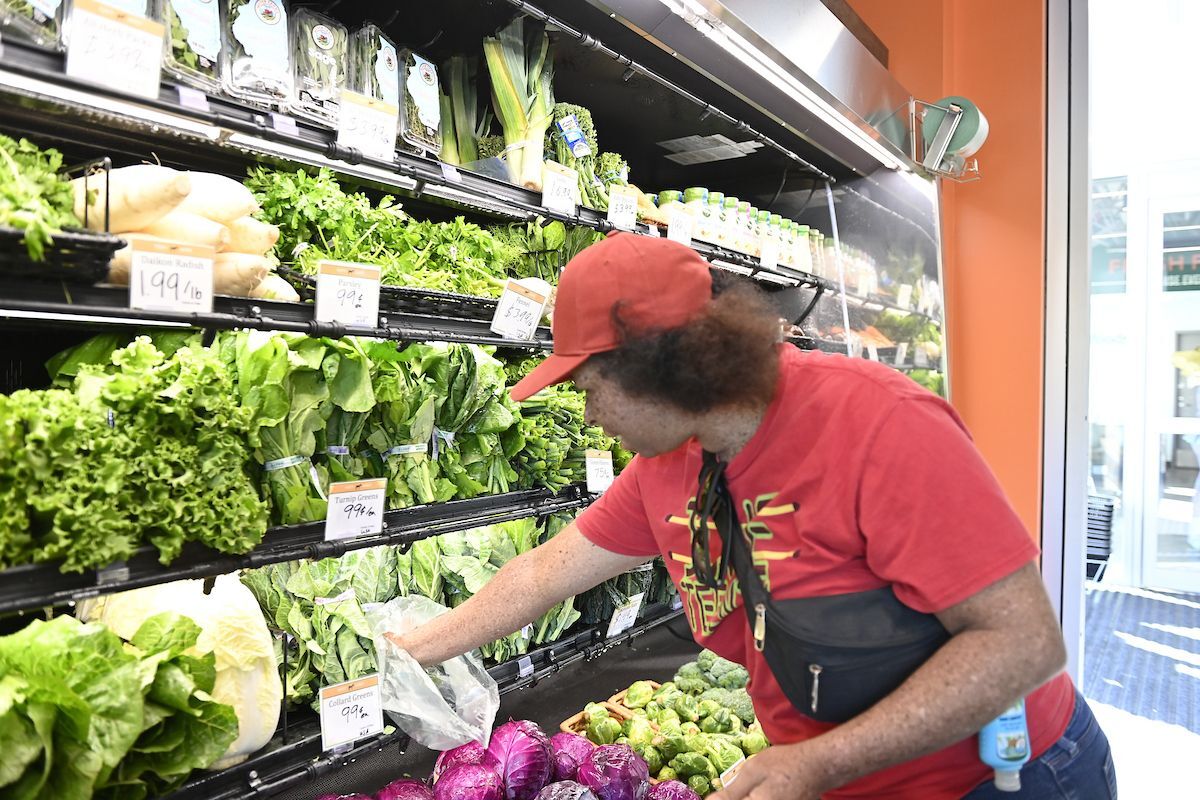
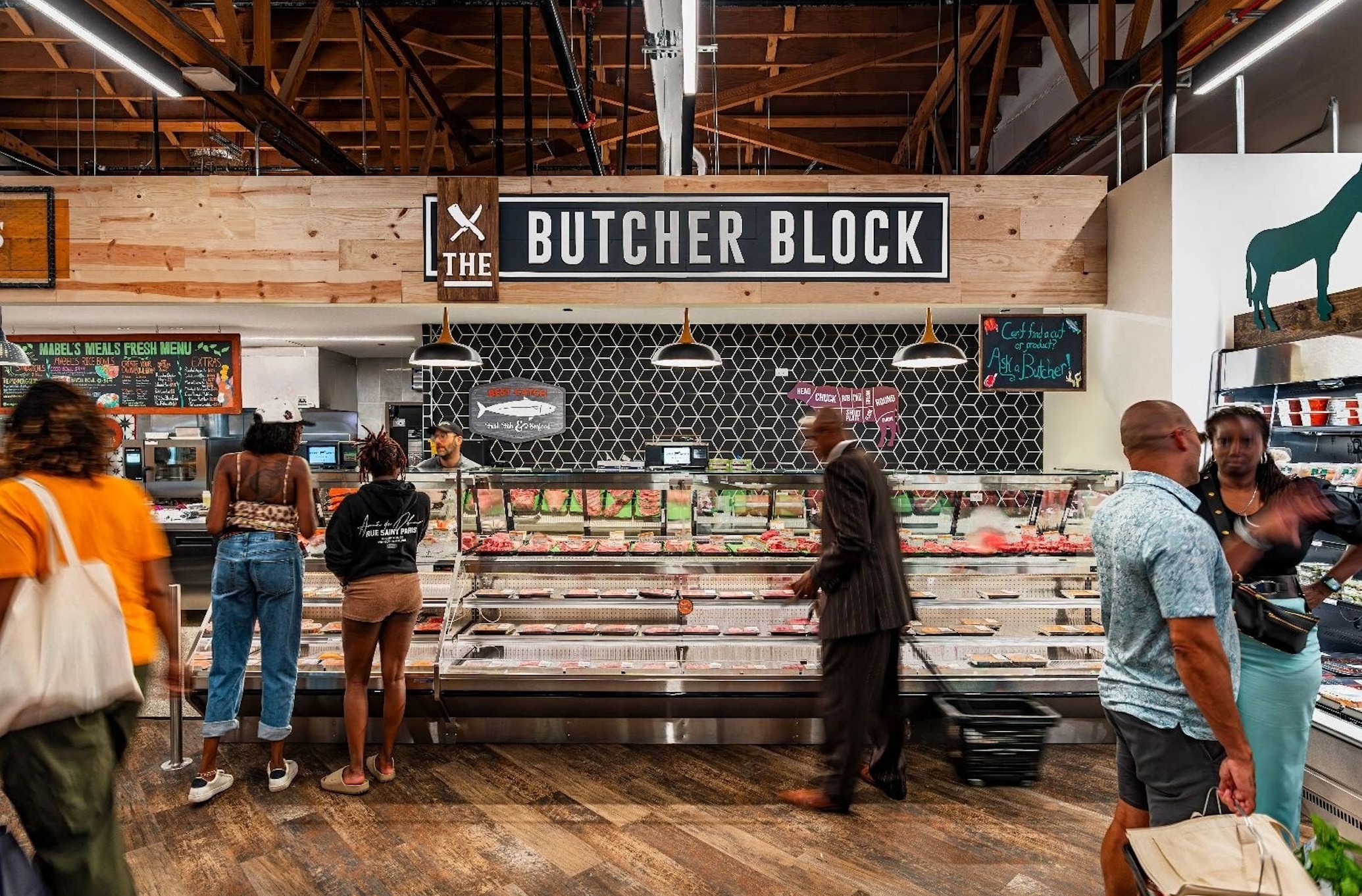
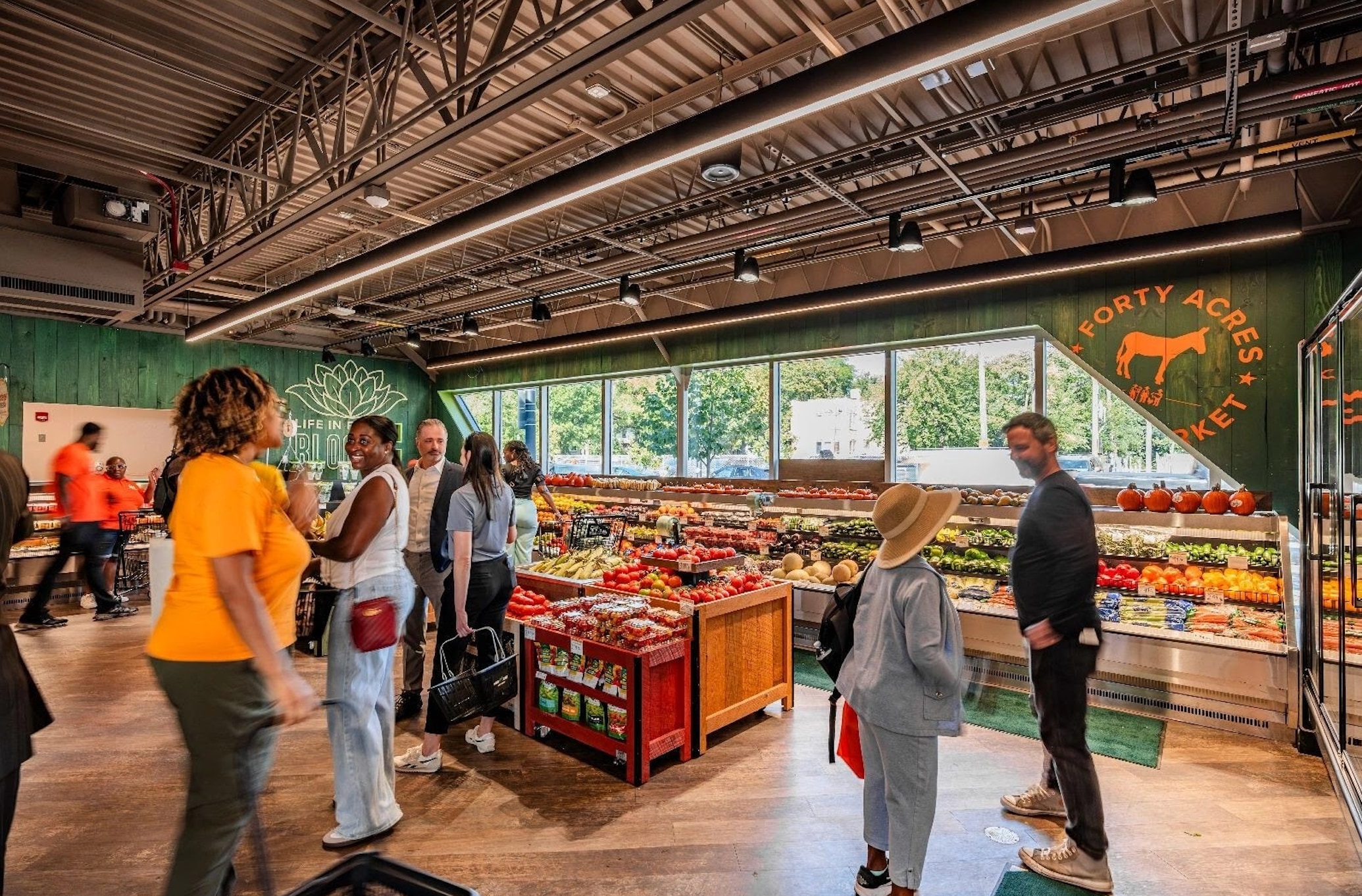
The store was built around a produce-first model. If you can master perishables—inventory turnover, shrink, sourcing—you can figure out everything else. From fresh fruits and vegetables to staple pantry items and prepared offerings like the popular Best-Side Bowl, shoppers can find what they need.
There’s also a citywide produce box delivery service, recognizing that access isn’t just about geography; it includes mobility and convenience.
Abunaw is acutely aware that hot food is often excluded from government assistance programs, creating additional barriers for families seeking prepared meals. While policy constraints exist, the store continues exploring creative, compliant ways to maximize access within those rules.
The Brutality and the Joy
“Friends don’t let friends open grocery stores,” Abunaw jokes — a nod to the stress.
The industry is brutal, with slim margins and the weight of employees and customers expecting reliability.
Rest looks different in this chapter. Sometimes it’s watching General Hospital; sometimes it’s carving out small, protected moments of pause. There isn’t a lot of glamour in grocery ownership, but there is a deep business drive.
Changing Habits, Building Trust
Forty Acres is still in its early days. Five months is a blink in grocery time.
Abunaw knows that personal curiosity might bring someone in once. Sustainable habit brings them back weekly or quarterly (at minimum). Success will come not from headlines, but from consistent foot traffic, strong basket sizes, and neighbors choosing to walk through the doors rather than drive past them.
It will come from proving that a well-run, independent grocery store can survive and thrive in a neighborhood long overlooked.
How Skytown Can Support
Support looks simple, but it’s powerful: shop regularly at the store. Place orders for produce delivery. Spread the word. Build partnerships that drive consistent customer traffic, not just one-off moments because grocery isn’t built on grand openings.
And if Forty Acres succeeds, it won’t be because of a narrative. It will be because the numbers work and the community decides it’s worth keeping.
,xPosition=.5,yPosition=.5)
,xPosition=.5,yPosition=.5)
,xPosition=.5,yPosition=.5)
